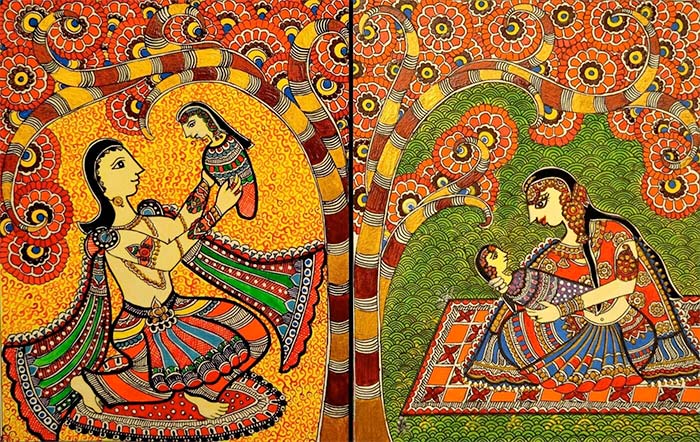
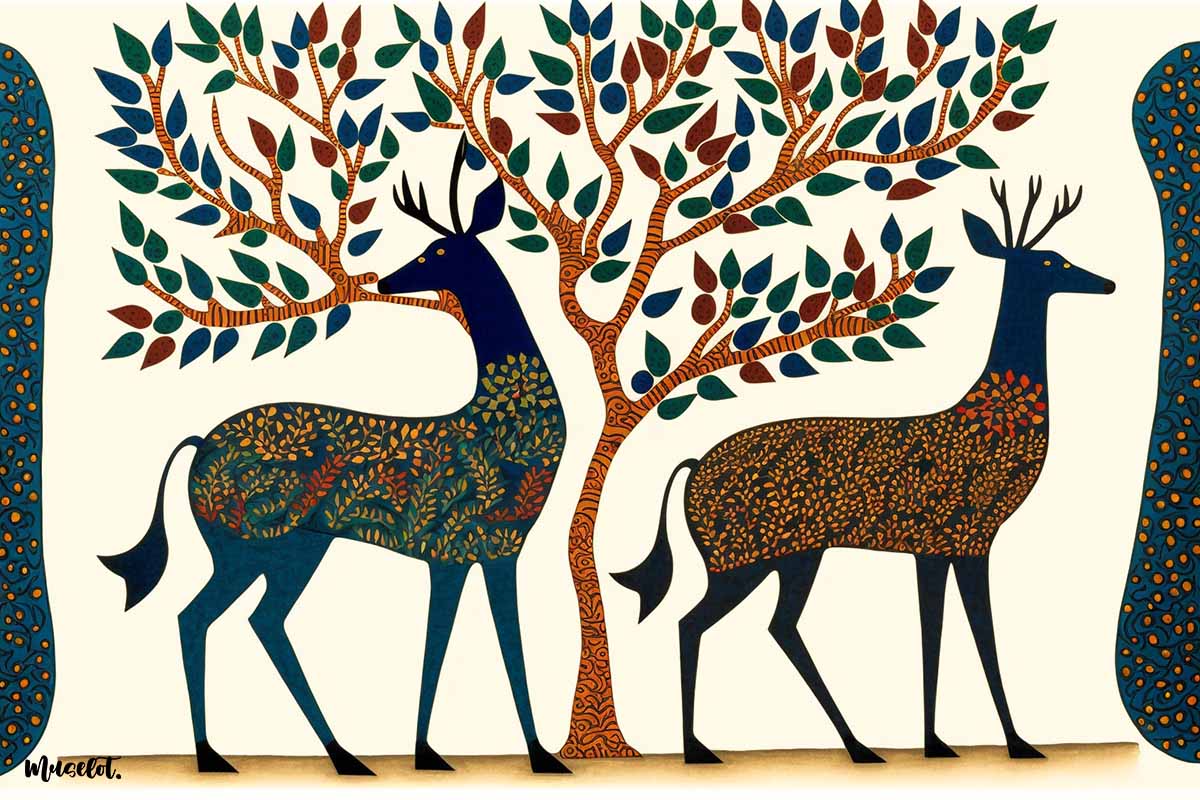
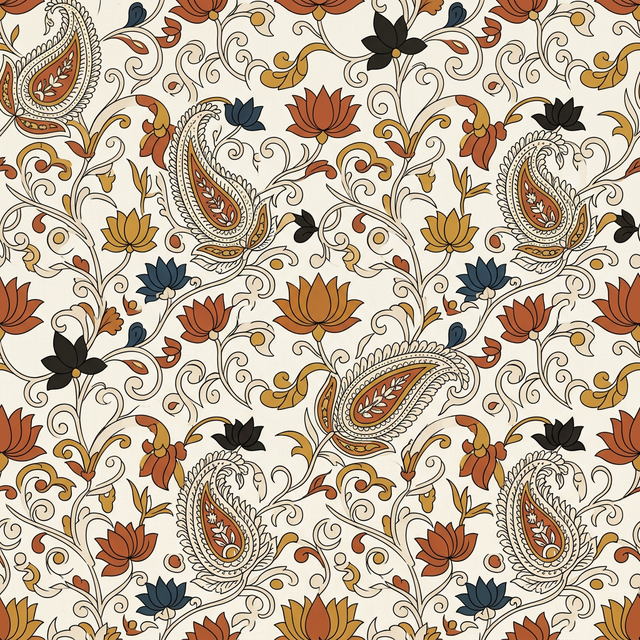
Indian folk art is inherently functional — every motif on a Kalamkari textile tells a story, every Warli figure communicates a scene. Karigar applies that same principle: every visual choice serves the AI experience. The color palette comes from spice markets and natural dyes. The rhythm comes from rangoli and kolam. The warmth comes from handcraft.
1. Style Foundations
Color, type, tokens, icons, and spacing — the atoms derived from Kalamkari dyes, spice bazaars, and the artisan's hand.
Design philosophy
- Narrative clarity: Folk art tells stories without text. AI interfaces should communicate state and intent at a glance.
- Earthen minimalism: Derived from natural dyes — turmeric, indigo, vermillion — not synthetic color theory.
- Handcraft warmth: The Tiro Devanagari Hindi font brings the feeling of a hand-painted sign into the digital interface.
- Ritual rhythm: The structured repetition of rangoli and kolam patterns applied to UI spacing and layout cadence.
Brand Inspiration
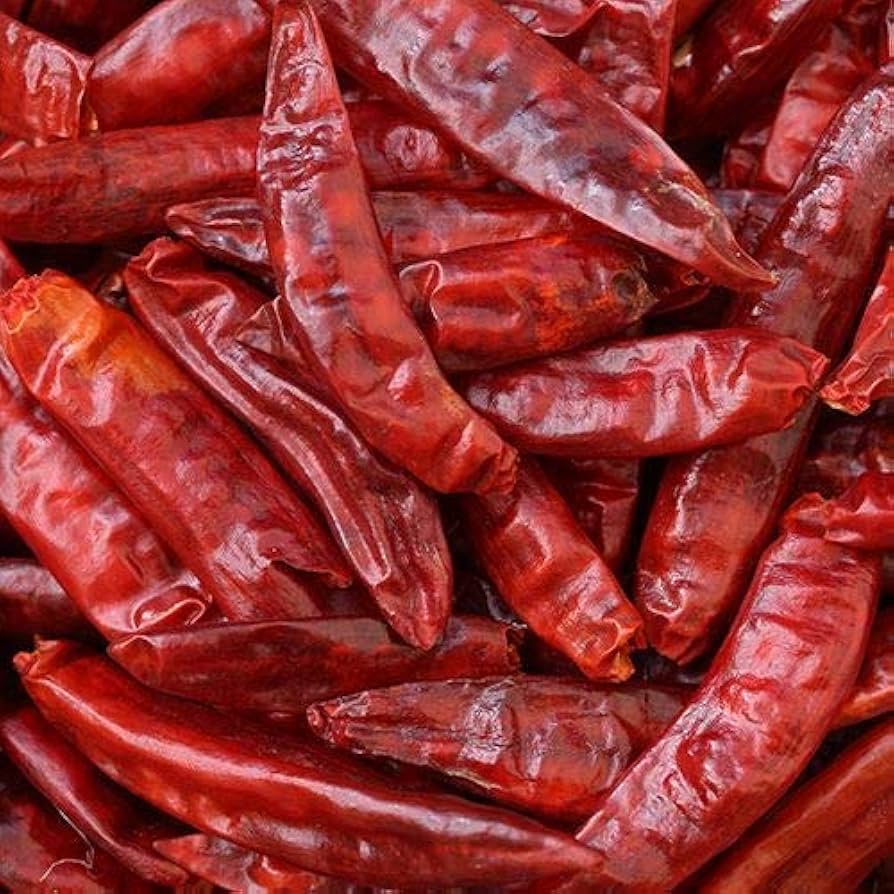
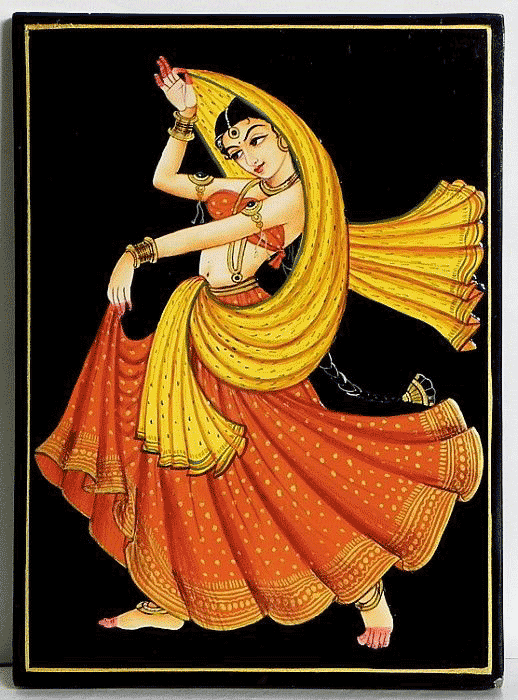
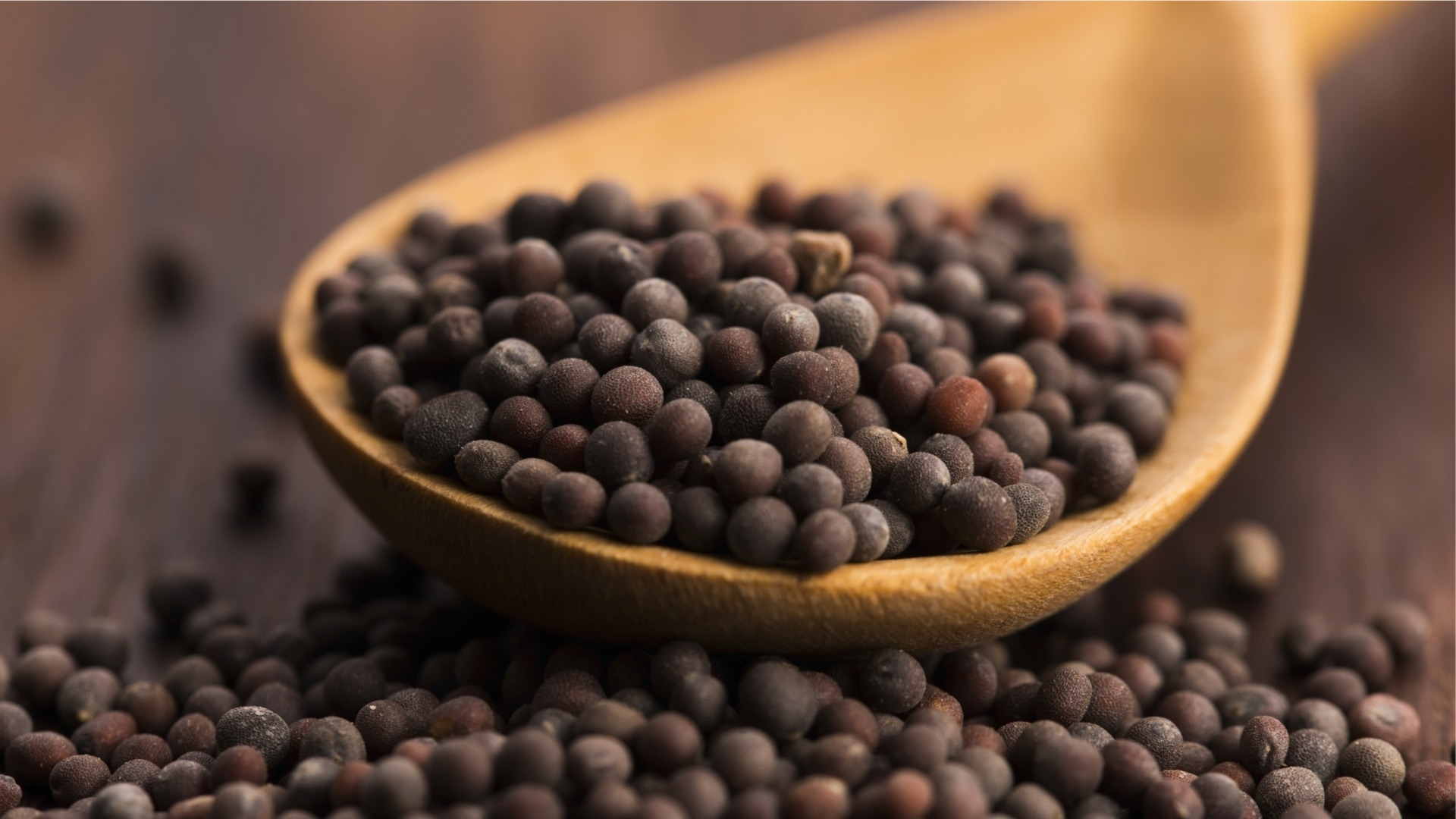
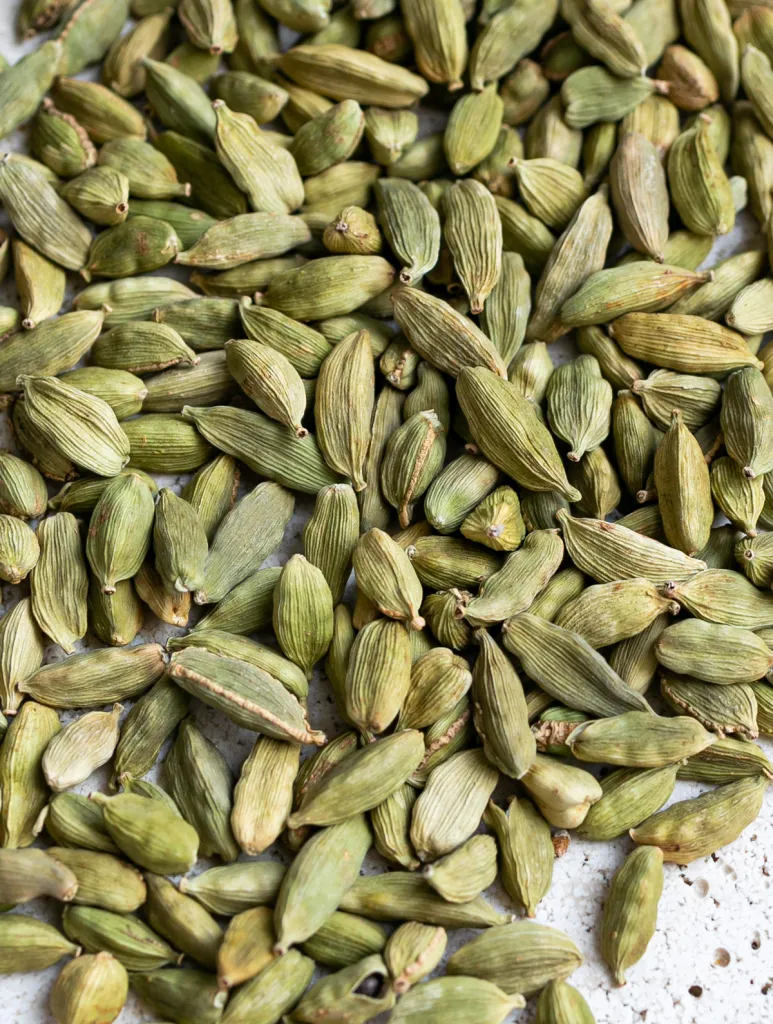
The visual language of Karigar is grounded in Indian handcraft traditions and natural ingredients. This gallery showcases the raw materials, textiles, and artifacts that inspired our design tokens.

Color palette
Every color traces back to a physical source — the dye vats of Machilipatnam, the spice bins of a Kerala market, the charcoal used for lamp-black Kalamkari outlines.
Primary & accent
Mehendi Green was chosen as the primary brand color to ground the AI in the physical world. While many tech platforms use energetic digital oranges or neon blues, this muted, earthy green traces its inspiration to crushed henna leaves and forest foliage—communicating organic intelligence, trustworthiness, and a deep connection to Indian folk art.
Semantic
Neutral scale
Typography
Tiro Devanagari Hindi carries the energy of hand-lettering — painted shop signs in Jaipur, temple walls in Thanjavur. Source Code Pro handles body text and AI interface labels. JetBrains Mono powers the terminal.
Design tokens
Iconography
Stroke-line icons at 24×24, stroke-width 2. Organic line weight echoing folk illustrations.
Spacing
8px base grid — modular rhythm from kolam and rangoli patterns.
2. Component Library
Components designed for AI interaction contexts — prompts, generated output, payment flows, and data visualization.
Buttons
Folk architecture containers (Cards)
Inspired by India's structural heritage — Haveli arched jharokhas, Mughal domes, stepped Mandapa pillars, and organic brass matkas. These distinctive shapes turn simple cards into beautiful storytelling canvases.
Form elements
Navigation
Feedback
Clear conversation?
This will delete all messages in this thread.
Token usage: 68% (2,720 / 4,000)
Data display
| Agent | Model | Status |
|---|---|---|
| Research Assistant | GPT-4o | Active |
| Code Reviewer | Claude Sonnet | Testing |
| Payment Bot | Gemini Pro | Processing |
Payment gateway
A clean checkout flow with UPI, card, and netbanking tabs. The earthy green CTA anchors the conversion moment.
🔒 Secured by Karigar Payment Gateway
Graph node canvas
Nodes use the spice palette to distinguish different AI agent types. Edges connect through clean straight lines. Think LangGraph or n8n with folk art warmth.
3. AI Components
Purpose-built for LLM-powered interfaces. Each component is grounded in folk art metaphor while serving a precise functional need.
Spice box loader
The Indian masala dabba holds six essential spices in a circular arrangement. This loader maps six processing states to six spice colors.
Chat bubbles
User messages sit right in earthy green. AI responses sit left on handloom white. Thinking dots cycle through spice colors — chilli, turmeric, indigo.
Welcome to Karigar
How can I help you pattern your thoughts today?
Voice AI
The voice orb uses concentric ripple animations inspired by kolam patterns. Burnt mehendi core pulses outward — like sound waves, like the expanding rings of a rangoli.
Terminal / CLI
The terminal uses the Karigar palette for syntax highlighting — turmeric for keywords, mehendi for the prompt, sage for success. Think Claude Code with handcraft warmth.
4. Applications
These three examples demonstrate the Karigar system in context — a ChatGPT-style chat (Karigar), a voice assistant (Karigar Voice), and a terminal (Karigar CLI).
Karigar — Chat application
Karigar CLI — Terminal
Karigar Developer Docs
Chat Completions
Given a list of messages comprising a conversation, the model will return a response patterned after Indian visual traditions.
https://api.karigar.dev/v1/chat/completions
-H "Content-Type: application/json" \
-H "Authorization: Bearer $KARIGAR_API_KEY" \
-d '{ "model": "karigar-kalamkari-1", "messages": [{"role": "user", "content": "Hello!"}] }'
Karigar API Dashboard
Plan Selection
5. Governance
Contribution
- Token-first: Every new value must map to an existing token or justify a new one.
- Source your color: New colors must trace back to a physical material — dye, spice, clay, fiber.
- AI context required: Every component must document its AI use case (chat, voice, terminal, finance, or data).
Versioning
- Semantic versioning: Major (breaking), minor (new components), patch (fixes).
- Changelog: Every release documents what changed and why, in plain language.
Accessibility
- WCAG 2.1 AA: All color combinations meet minimum contrast ratios.
- Keyboard navigation: Every interactive element is reachable via Tab.
- Reduced motion: The spice loader and voice orb respect
prefers-reduced-motion.
The hand of the artisan meets the mind of the machine.
Karigar Design System · v1.0